Lavender in Provence: More Than Just Purple Fields
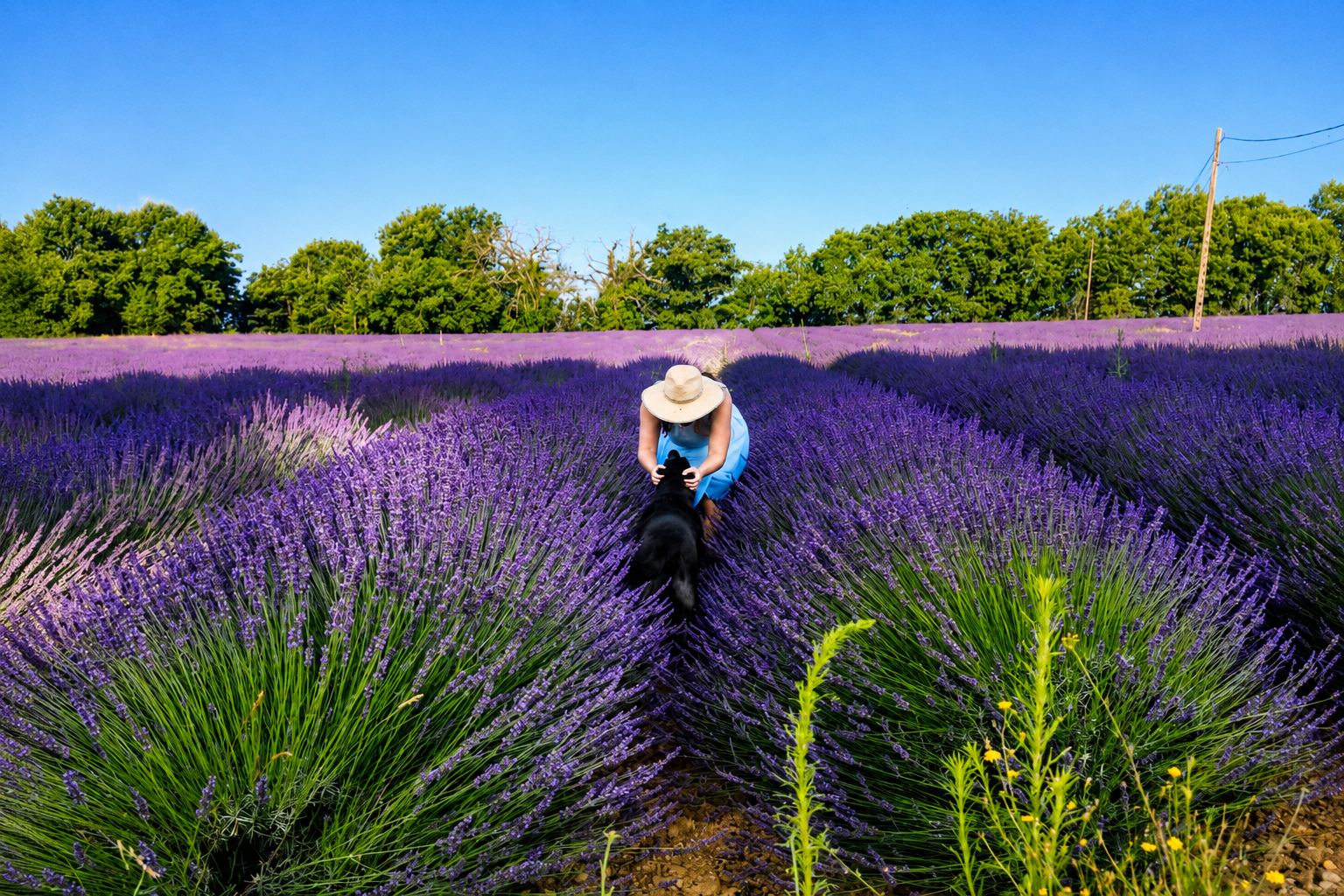
When people hear that I live in Provence, the first thing they usually picture is endless lavender fields. And it's true—every year I'm amazed by the transformation. What are grey, unassuming fields throughout the winter suddenly burst into vibrant shades of violet at the beginning of June. It feels almost magical.
Lavender is deeply woven into the culture of Provence. From local farms to village markets, you'll find countless boutiques and artisan shops offering every lavender product imaginable—from essential oils and soaps to honey, sachets, and culinary treats.
Understanding Lavender
Lavender belongs to the mint family (Lamiaceae) and includes around 47 known species of flowering plants. The most widely cultivated species is Lavandula angustifolia, commonly known as true or English lavender. This variety is prized for its gentle aroma and therapeutic qualities.
Another popular variety is Lavandula × intermedia, better known as lavandin. Lavandin is a natural hybrid of L. angustifolia and L. latifolia. It produces larger flower spikes, yields significantly more essential oil, and is easier to cultivate and harvest, making it the preferred choice for commercial production.
Although lavender and lavandin may look similar, their essential oils differ in composition, aroma, and traditional uses.
How to Safely Use Lavender Essential Oil
Lavender essential oil is one of the most versatile oils in my home. When properly diluted, it is generally considered one of the safest essential oils for family use, including with children. Traditionally, it has been used to soothe minor skin irritations, calm the mind, encourage restful sleep, and support the skin's natural healing process.
Lavender is also rich in antioxidant compounds and has demonstrated antimicrobial properties in laboratory studies.
The modern interest in aromatherapy began with French chemist René-Maurice Gattefossé, who famously treated a laboratory burn with lavender essential oil. His experience inspired further research into the therapeutic use of essential oils and led to the popularisation of the term aromatherapy.
Choosing a Quality Essential Oil
Always choose the highest-quality essential oil you can find. Look for oils that are:
100% pure
Organically grown whenever possible
Clearly labelled with their botanical name
Using Lavender with Children
For young children, inhalation is often the gentlest method of use. A diffuser can be run for a short period or a drop placed on a tissue nearby.
When applying essential oils to the skin, always dilute them in a carrier oil such as sweet almond, jojoba, olive, avocado, or coconut oil. The soles of the feet are often considered one of the safest areas for topical application in children.
For every tablespoon (15 ml) of carrier oil, use:
Ages 1–4 years: 1–3 drops
Ages 5–7 years: 2–4 drops
Ages 8–12 years: 3–7 drops
Always perform a patch test before first use and avoid contact with the eyes and mucous membranes.
Important: Do not substitute lavandin essential oil for true lavender essential oil. Although closely related, they have different chemical compositions and are traditionally used for different purposes.
Traditional Uses for Lavender Essential Oil
Headaches
Massage 2 diluted drops of lavender essential oil onto the temples, neck, or forehead. Adults may also combine it with peppermint essential oil for a cooling effect.
Ear Discomfort
Dilute 2 drops of lavender in 1 tablespoon of carrier oil and gently massage around the outside of the ear. Never place essential oils inside the ear canal.
Skin Irritations and Rashes
Mix 2 drops of lavender essential oil into 1 tablespoon of coconut oil and apply to minor skin irritations. Adults sometimes combine lavender with lemon essential oil, although citrus oils can increase sun sensitivity.
Sleep Support
Diffuse lavender essential oil for approximately 15 minutes before bedtime to help create a calm and relaxing atmosphere.
Lice Prevention
Some families traditionally apply one diluted drop of lavender behind the ears as part of a natural lice prevention routine. While its effectiveness has not been conclusively established, many people enjoy its pleasant scent.
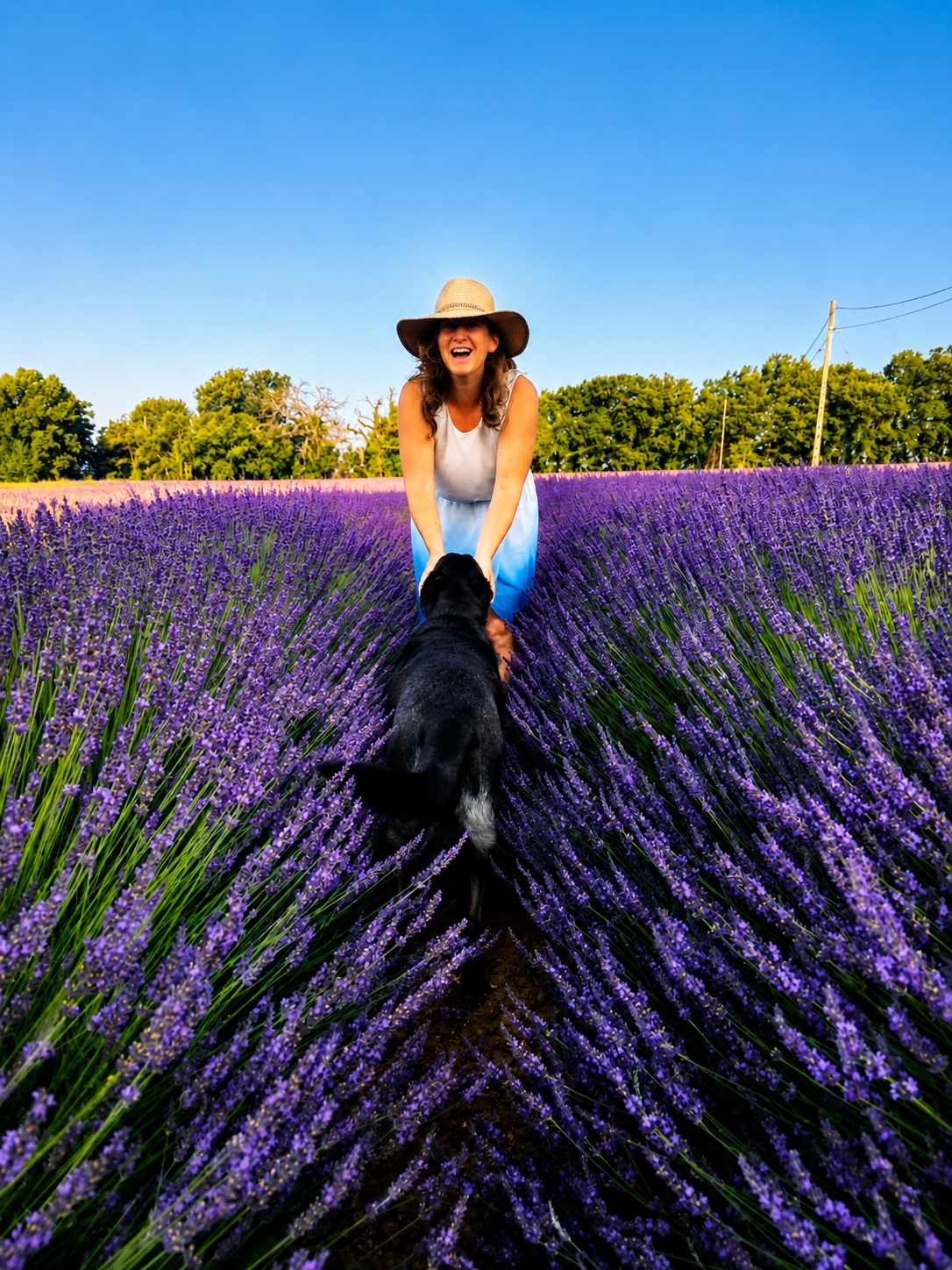
Lavender or Lavandin: What's the Difference?
Lavandin was developed by crossing Lavandula angustifolia with Lavandula latifolia. Historically, it became popular in the French perfume industry because of its high oil yield and strong fragrance.
Although both oils share some similar properties, they each have their own strengths.
Both lavender and lavandin are traditionally used to:
promote relaxation
encourage restful sleep
soothe tired muscles
ease feelings of stress
freshen the home naturally
help deter insects
Lavandin Essential Oil
Lavandin plants are larger and produce considerably more flowers than true lavender. Their fragrance is stronger, fresher, and slightly camphoraceous.
Because of its higher camphor content, lavandin is widely used in:
cleaning products
linen sprays
room fresheners
soaps
household fragrances
Traditionally, it has also been used to soothe tired muscles and joints, ease tension headaches, and support respiratory comfort. Some people find its invigorating aroma helpful during seasonal congestion.
Due to its higher camphor content, lavandin essential oil is generally not recommended during the first trimester of pregnancy and should be used with caution by individuals with epilepsy. If in doubt, consult a qualified healthcare professional.
Lavender Essential Oil
True lavender essential oil remains one of the world's most popular essential oils. Its softer fragrance and lower camphor content make it especially suitable for skincare, relaxation, and therapeutic applications.
Traditionally, lavender has been used to:
soothe minor burns and sunburn
calm insect bites
ease tension headaches
support digestion
comfort dry or irritated skin
encourage restful sleep
It is also the preferred variety for culinary use.
Several clinical studies have found that lavender aromatherapy may help reduce anxiety and improve sleep quality. Research has also explored its potential role in supporting emotional wellbeing during the postnatal period, although further studies are still needed.
Lavender at our medicinal herb farm Moonatic Provence
Every June, when the fields of Provence are at their most beautiful, I find myself inspired not only by their colour but also by their calming fragrance. Lavender has become one of the herbs I treasure most, and it holds a special place in my own herbal practice at Moonatic, our small medicinal herb farm.
One of my favourite creations is Strawberry Moon, an herbal tea blend inspired by the Full Strawberry Moon of June—the month when lavender reaches its peak bloom. The blend celebrates the abundance of early summer and combines carefully selected herbs to create a gentle, soothing cup that invites you to slow down, breathe deeply, and savour the season.
For me, lavender is much more than a beautiful flower. It is a reminder to embrace nature's rhythms, to pause in the midst of busy days, and to find joy in simple moments—whether that is wandering through fragrant purple fields, harvesting herbs at sunset, or sharing a cup of herbal tea with friends.
If you'd like to experience a taste of early summer, you can find our handcrafted Strawberry Moon herbal tea in the Moonatic shop.
Whether you choose lavender or lavandin depends on your intended use. If you're looking for a gentle oil for skincare, relaxation, or family use, true lavender is generally the better choice. If you want a fresh, uplifting scent for cleaning, freshening the home, or massage blends for tired muscles, lavandin is an excellent option.
Both are beautiful gifts from Provence—and each has its own unique place in the home.