Lammas (Lughnasadh): Celebrating the First Harvest with Rituals & Herbal Traditions
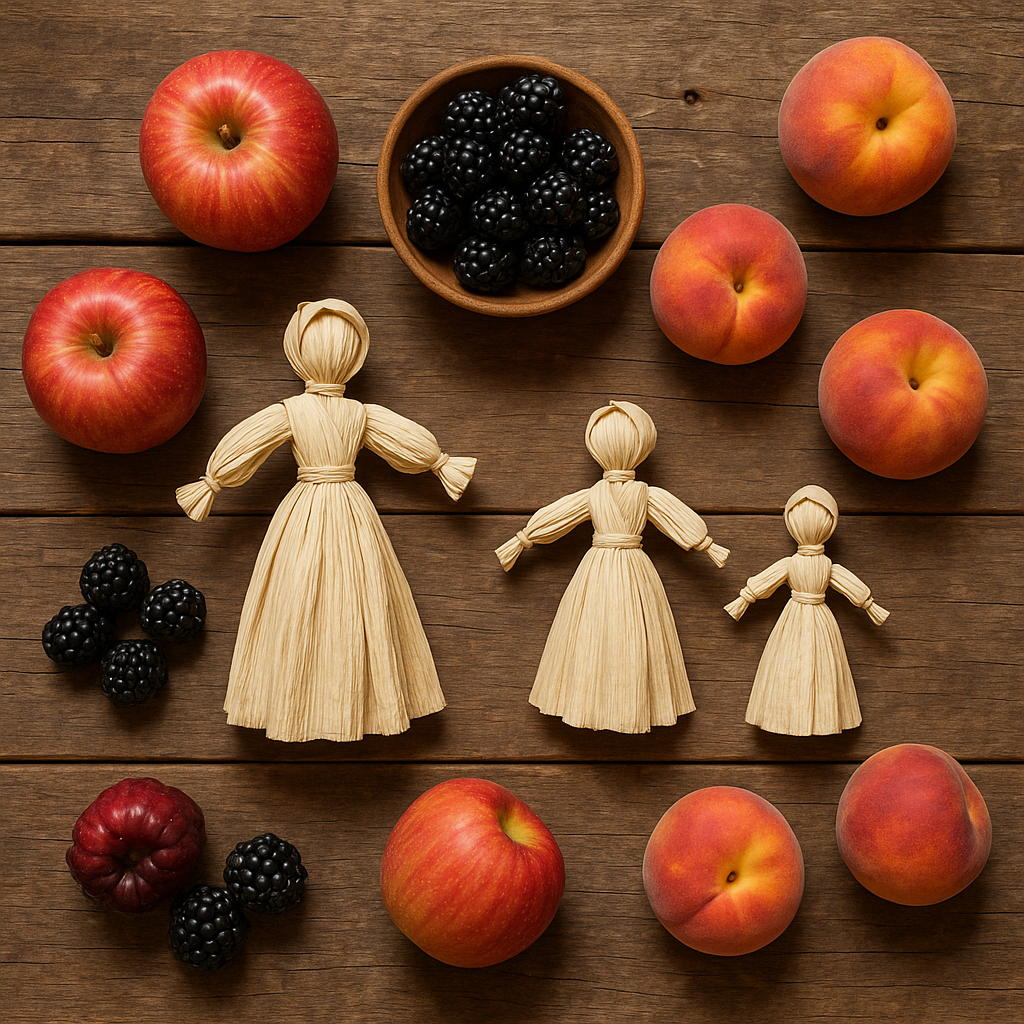
Lughnasadh—also known as Lammas—arrives at the turning of the wheel: August 1st in the Northern Hemisphere and February 1st in the Southern Hemisphere. Summer still glows brightly around us, yet the first breath of autumn is already moving through the fields. The season of harvest begins—not only in orchards and gardens, but within our own lives.
Apples blush on their branches. Peaches grow heavy with sweetness. Blackberries darken along the hedgerows. The air smells faintly of sun-warmed earth, ripening fruit, dry grass, and the promise of change. Everything has reached its fullness—and, as all things that bloom must do, it begins to lean toward an ending.
Lughnasadh asks a quiet but powerful question:
Will what I have gathered sustain me through the darker months ahead?
For our ancestors, this was a question of survival. A successful harvest meant food, warmth, medicine, and security through winter. Today, when many of us can buy food at any time of year, it is easy to lose touch with this ancient truth. Yet the question remains deeply meaningful on a spiritual level. What have you grown this year? What friendships, skills, dreams, healing, habits, or creative projects are ready to nourish you now?
Above us shines August’s Sturgeon Moon, named for the season when sturgeon were traditionally easier to catch. It is followed by September’s Corn Moon, carrying the golden energy of grain, abundance, and gathering in.
In Celtic tradition, Lughnasadh honors Tailtiu, the foster mother of the radiant god Lugh. Great games, fairs, contests, and celebrations were held in her name. Lugh himself was a god of many gifts: a blacksmith, carpenter, healer, musician, warrior, craftsperson, and keeper of summer storms. His festival reminds us to honor the skills in our own hands—the work we make, the gifts we share, and the knowledge we have earned through effort.
This is a beautiful time for wandering through berry-stained hedgerows, picking blackberries and blueberries, visiting makers’ markets, supporting local artisans, and filling your home with handmade treasures. Take stock of your herbs for the coming months. Dry what is abundant. Bundle rosemary, sage, chamomile, calendula, lavender, or oats for the winter altar and the winter cupboard.
Traditionally, people fashioned corn or wheat dolls, sometimes called corn maidens, to hold the spirit of the seed—the blessing of the land and the promise of next spring’s renewal. Kept through the dark season, these little figures served as guardians of the home and reminders that life sleeps beneath the soil even when the world appears barren.
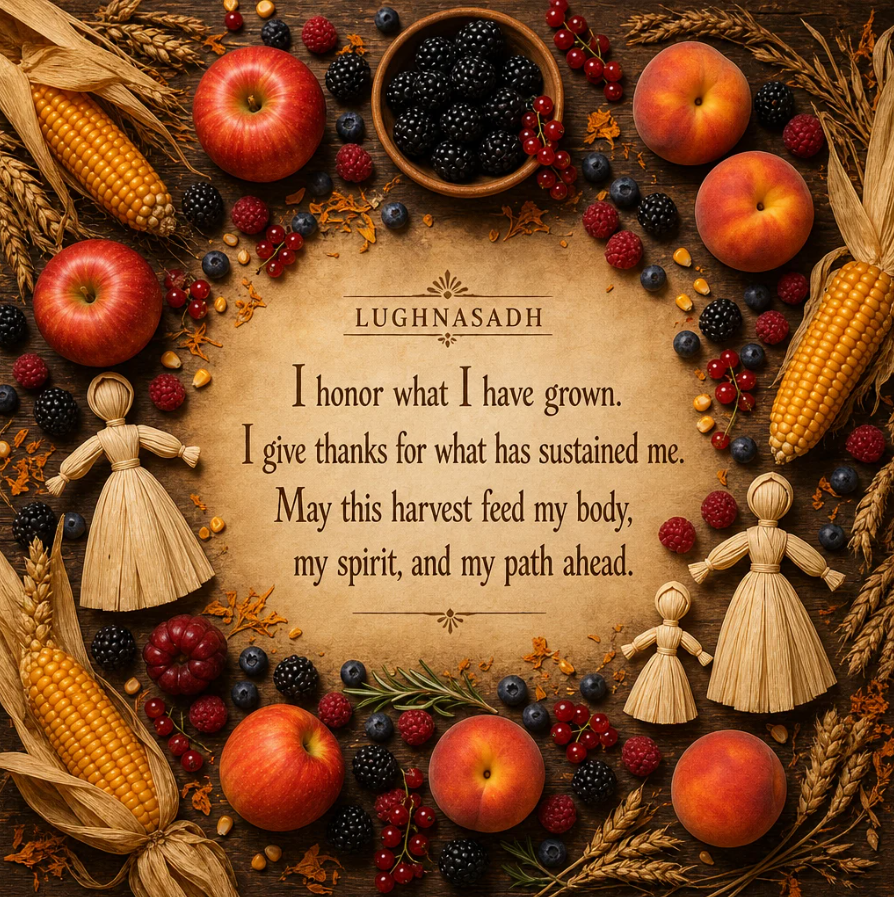
A Lughnasadh Harvest Altar
Dress your altar or table in the colors of the first harvest:
Gold, yellow, orange, russet, and brown
Sunflowers, rudbeckia, echinacea, lavender, and wheat stalks
Fresh apples, peaches, blackberries, corn, and loaves of bread
Citrine for warmth and confidence
Labradorite for intuition during times of change
Topaz for abundance, gratitude, and clear purpose
A simple loaf of bread belongs at the heart of any Lammas table. Break it slowly and with intention, remembering every hand, seed, storm, and season that helped bring it to you.
Serve cider, beer, herbal tea, or a berry-infused drink. Cook with apples, red fruits, onions, garlic, potatoes, and the herbs of the season. Let your kitchen become a small hearth-temple of gratitude.
Ritual: The Bread of Gratitude
Bake or buy a loaf of bread. Before eating, place both hands above it and name three things you have harvested this year—something practical, something emotional, and something spiritual.
You might say:
“I honor what I have grown.
I give thanks for what has sustained me.
May this harvest feed my body, my spirit, and my path ahead.”
Break the bread and share it with loved ones, leave a small offering for the earth, or enjoy it alone in quiet reflection.
Ritual: Make a Corn or Wheat Doll
Gather dried corn husks, wheat, straw, twine, and any ribbons or herbs that feel meaningful. As you shape the doll, weave an intention into it: protection for your home, resilience through winter, a blessing for future growth, or gratitude for the abundance already present.
Place it near your front door, hearth, altar, or pantry. When spring returns, you may respectfully return it to the earth, compost it, or burn it safely as part of a renewal ritual.
Ritual: Harvest and Release
Lughnasadh is not only about gathering; it is also about clearing. As fields are harvested and prepared for the next cycle, we are invited to notice what in our lives has become dry, depleted, or no longer nourishing.
Write down what you are ready to release:
A habit that drains you
A fear that keeps you small
A role you have outgrown
A relationship pattern that no longer feeds your spirit
An obligation that belongs to an older version of you
Then safely tear the paper into small pieces and place them in a compost bin, bury them in soil, or burn them in a fire-safe vessel. As you do, say:
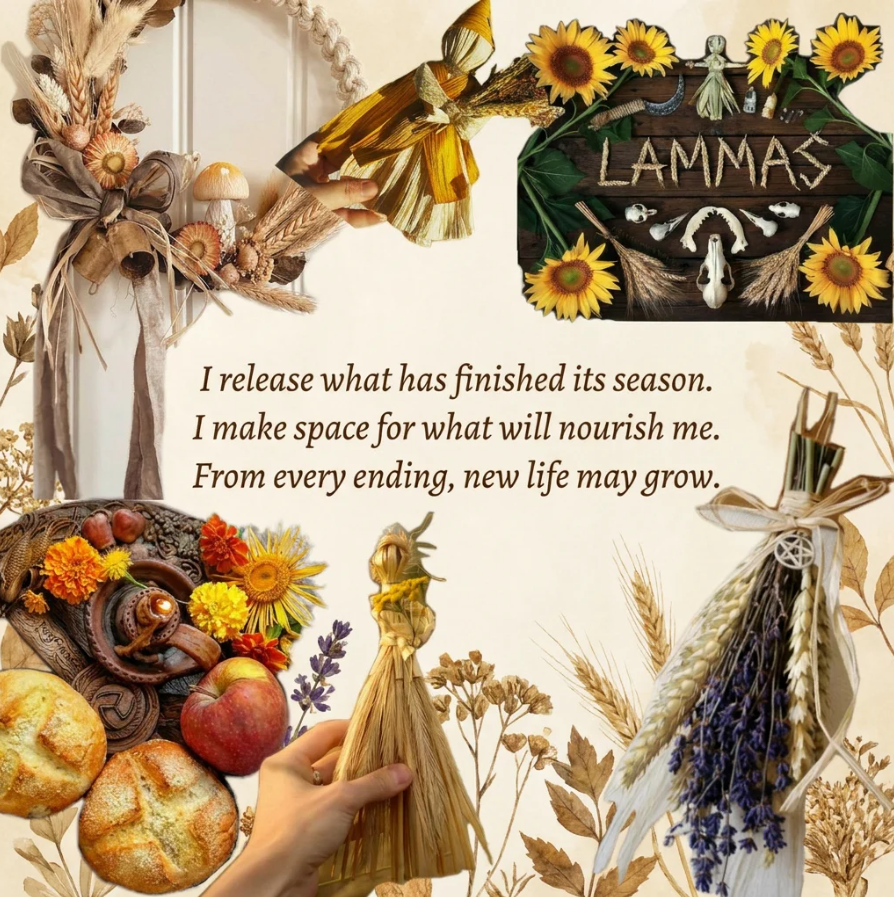
“I release what has finished its season.
I make space for what will nourish me.
From every ending, new life may grow.”
Fire has long been a symbol of purification and renewal. Let it be a reminder to clear away what has lost its purpose—gently, consciously, and without destroying what might still be healed. Like a field tended with care, your life deserves restoration rather than harshness.
Lughnasadh is the golden threshold: a season of gratitude, skill, abundance, and sacred endings. Gather what is ripe. Bless what has grown. Share what you can. And make room, with open hands, for the darker half of the year and the seeds waiting quietly beneath it.